
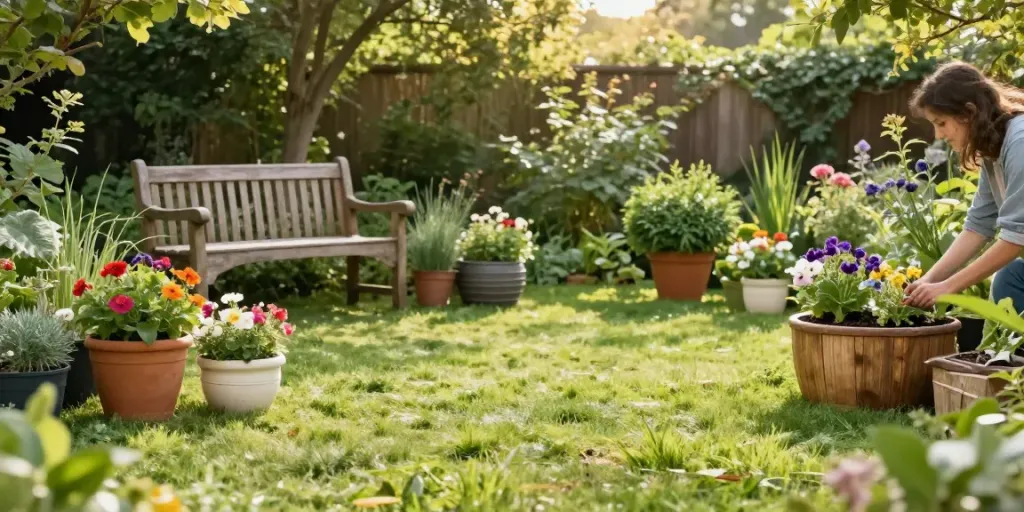
Understanding Garden Planters: Types and Materials
As a gardener, the type of planter you choose can significantly impact the health and aesthetic of your garden. With numerous options available, it’s essential to understand the different types and materials used in garden planters. From traditional wooden boxes to sleek metal designs, each option offers unique benefits tailored to various gardening needs. When exploring options, garden planters uk provide comprehensive insights into the best choices for your home and garden.
1.1 Overview of Garden Planter Options
Garden planters come in a variety of styles and materials, catering to diverse gardening preferences. Traditional wooden planters offer a rustic appeal while being biodegradable and environmentally friendly. Metal planters, on the other hand, provide modern aesthetics and are extremely durable, capable of withstanding harsh weather conditions. Plastic planters are lightweight and affordable, making them a popular choice for beginners. Here’s a quick overview of the common types:
- Wooden Planters: Often made from cedar or treated pine, these planters are praised for their natural look and ability to blend with outdoor surroundings.
- Metal Planters: Typically made from galvanized steel or aluminum, they are both stylish and long-lasting.
- Plastic Planters: Lightweight and versatile, they come in various shapes and colors, making them easy to move.
- Concrete Planters: Heavy and sturdy, these offer excellent durability but may be challenging to relocate.
1.2 Wood vs Metal: Key Differences
The choice between wood and metal planters often comes down to personal preference and specific gardening needs. Wooden planters are biodegradable and provide natural insulation for plant roots, which helps retain moisture. However, they are susceptible to rot and pests unless treated properly. Metal planters, while more resilient, can heat up quickly in direct sunlight, potentially damaging plant roots. Consider these factors when selecting the right material for your garden planters.
1.3 Choosing the Right Material for Your Plants
Choosing the right material is crucial depending on the type of plants you wish to grow. For instance, root vegetables thrive well in wooden planters due to the natural aeration of the soil. Conversely, herbs do well in metal containers, which can create a stylish herb garden on your patio. Always consider compatibility with your plant selection and the climatic conditions when making your choice.
Benefits of Using Garden Planters
Garden planters offer a multitude of benefits that can enhance your gardening experience. They not only provide a controlled environment for your plants but also bring visual appeal to any outdoor space. Here, we examine some of the most significant advantages of using garden planters.
2.1 Enhanced Drainage and Root Health
One of the primary benefits of garden planters is their ability to improve drainage, which is crucial for healthy root development. Planters typically have drainage holes that prevent soil from becoming waterlogged, reducing the risk of root rot. Furthermore, elevated planters can help keep roots cooler during the hot summer months, promoting overall plant health.
2.2 Space-Saving Solutions for Small Gardens
For urban dwellers or those with limited garden space, planters provide an excellent solution. Vertical gardening techniques, such as using wall-mounted planters or stacked garden planters, maximize garden space while still allowing for a variety of plants. This approach not only saves space but also adds layers and dimensions to your outdoor areas.
2.3 Aesthetic Appeal and Design Flexibility
Garden planters serve as decorative elements in landscaping designs. They can be used to add color, texture, and personality to garden spaces. With numerous shapes, sizes, and materials available, it’s easy to find planters that complement your home’s exterior or your garden’s theme. From rustic wooden troughs to elegant ceramic pots, there’s a planter to match every style.
Top Trends in Garden Planters for 2026
The gardening industry is constantly evolving, and staying updated on the latest trends can enhance your gardening experience. As we approach 2026, several notable trends in garden planters are emerging, focusing on sustainability, design innovation, and aesthetics.
3.1 Eco-Friendly Materials and Sustainable Practices
With an increasing awareness of environmental issues, eco-friendly materials are becoming the preferred choice for many gardeners. Planters made from recycled materials, biodegradable composites, and sustainably sourced woods are gaining popularity. These options not only reduce waste but also encourage sustainable gardening practices.
3.2 Innovative Designs and Smart Features
Smart technology is making its way into the gardening sector, including in garden planters. Features like self-watering systems and moisture sensors are now available, making it easier for gardeners to care for their plants. These innovations not only simplify maintenance but also ensure that plants receive adequate hydration without overwatering.
3.3 Color and Texture Trends in the UK Market
As with any design element, color plays a vital role in the appeal of garden planters. In 2026, expect to see a surge in bold colors and interesting textures that make planters stand out. From vibrant yellows to rich blues, the right color can enhance the beauty of your garden. Additionally, textured finishes, such as ribbed or weathered effects, are trending, allowing garden planters to blend seamlessly into natural environments.
Setting Up Your Garden Planters
Successfully setting up your garden planters requires careful consideration of several factors to ensure your plants thrive. Here we go into detail on how to prepare your planters for planting and maintenance.
4.1 Preparing Your Soil and Plants
Choosing the right soil is essential for the success of your garden planters. Opt for a high-quality potting mix that provides adequate drainage and nutrients tailored to your plant’s needs. Additionally, ensure your plants are suited for container gardening; consider the mature size and growth habits of each species to avoid overcrowding.
4.2 Optimal Placement for Sunlight and Shelter
Location is key when setting up your garden planters. Observe the sunlight patterns in your outdoor space and place your planters accordingly. Most vegetables and flowering plants require at least six hours of direct sunlight each day, while shade-loving plants thrive in less light. Additionally, consider factors such as wind exposure to protect your plants from harsh weather conditions.
4.3 Maintenance Tips for Longevity
To prolong the life of your garden planters, regular maintenance is necessary. This includes routine checks for pests, timely watering, and periodic cleaning of the planters to prevent dirt buildup. For wooden planters, consider applying a protective sealant annually to guard against moisture and rot. Proper care not only extends the life of your planters but also enhances the beauty of your garden.
Where to Buy Garden Planters in the UK
Finding the right garden planters can be overwhelming with so many options available. In this section, we will explore various buying options, from online retailers to local garden centers, so you can make informed purchasing decisions.
5.1 Online Retailers vs Local Garden Centers
Shopping online offers the convenience of browsing extensive selections of garden planters from the comfort of your home. Many websites provide detailed product descriptions and customer reviews, assisting in making the right choice. Conversely, local garden centers offer the benefit of in-person browsing, allowing you to assess the quality and feel of the planters before purchasing.
5.2 Comparing Prices and Quality
When purchasing garden planters, it's essential to compare prices and quality carefully. Look for reputable brands that guarantee durability and craftsmanship. Depending on the materials, planters can range from budget-friendly options to high-end designer pieces, so being mindful of your budget without compromising quality is vital.
5.3 Seasonal Sales and Discounts to Look for in 2026
Be on the lookout for seasonal sales and discounts, especially during spring and summer when gardening is in full swing. Many retailers offer promotions on garden supplies, including planters, so you can snag a great deal. Subscribe to newsletters from your favorite garden retailers to stay informed about upcoming sales and exclusive offers.
Where can I buy cheap garden planters?
If you are on a budget, consider exploring discount stores or online marketplaces that offer a variety of affordable planters. Large retailers often have clearance sections or seasonal sales that can help you find quality planters at reduced prices.
What are the latest trends in garden planters?
As discussed, eco-friendly materials, smart technology, and innovative designs are currently trending in the garden planter market. Keep an eye on new products that incorporate these elements for the best gardening experience.
What are the best outdoor garden planters?
The best outdoor garden planters depend on your gardening goals, plant types, and aesthetic preferences. Always choose high-quality materials that suit your environment and the specific plants you wish to grow.
Where can I find inexpensive large terracotta pots?
Terracotta pots are widely available at garden centers, home improvement stores, and online marketplaces. Look for sales during the off-season to find better deals.
How to choose the right size planter for my garden?
When selecting a planter, consider the mature size of the plant, the type of roots it develops, and how much space it needs to thrive. Larger plants require more space, while smaller plants can thrive in compact containers.