
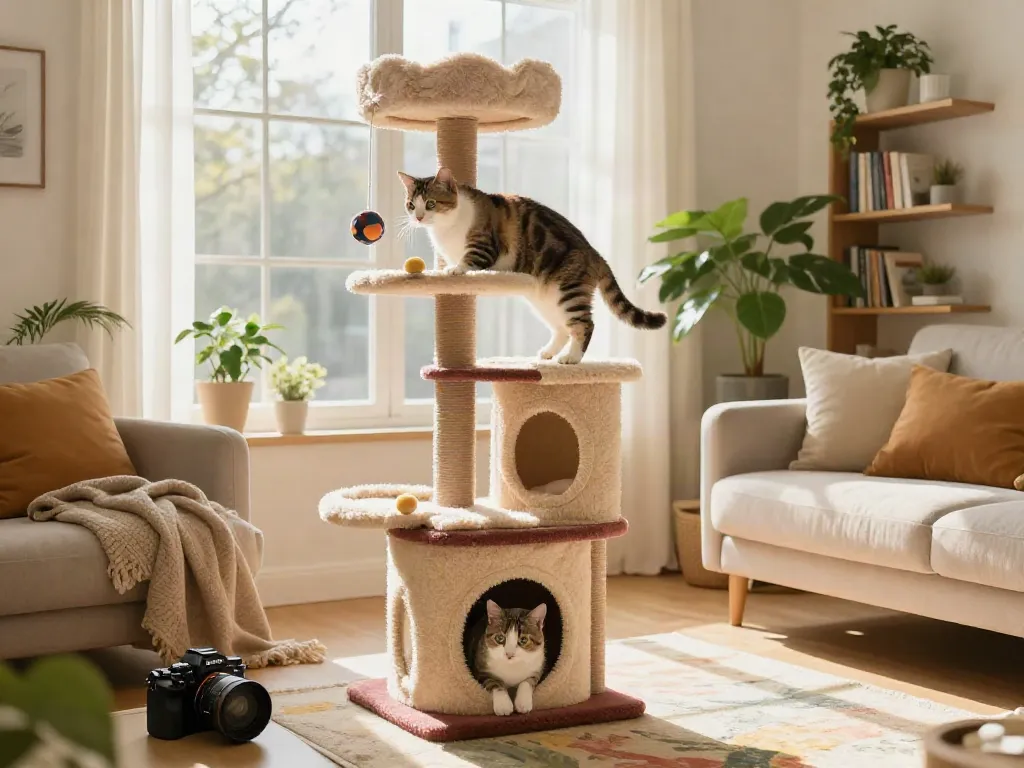
Understanding the Importance of a Cat Tree for Your Pet
As a cat owner, ensuring the happiness and well-being of your feline friend is paramount. One essential piece of furniture that contributes significantly to a cat's quality of life is the cat tree. These multi-level structures not only provide a designated space for play and relaxation but also cater to a cat's instinctual need for vertical territory.
Why Cats Need Vertical Space?
Cats are natural climbers and hunters, and offering them vertical spaces helps satisfy their instincts. Vertical environments allow cats to observe their surroundings and feel secure from potential threats. Without these spaces, indoor cats may become stressed, leading to unwanted behavioural issues. A cat tree provides the perfect solution, creating a safe haven where they can perch high above, watch the world go by, and safely play.
The Benefits of a Cat Tree
- Physical Exercise: Cat trees provide climbing opportunities that promote physical fitness. Regular exercise helps maintain a healthy weight, reducing the risk of obesity-related health issues.
- Mental Stimulation: Engaging with a cat tree stimulates a cat's mind. The various platforms, scratching posts, and attached toys encourage exploration and play, keeping boredom at bay.
- Stress Relief: A well-placed cat tree can help alleviate stress and anxiety in cats, as it offers them a personal space to retreat to when they need some alone time.
Common Misconceptions About Cat Trees
Despite their numerous benefits, there are some misconceptions surrounding cat trees. Many people believe that all cats will use them or that they are merely decorative items. However, the effectiveness of a cat tree depends on its design and how well it meets a cat's physical and emotional needs. A proper understanding of your cat's preferences can lead to better choices when selecting a cat tree.
Choosing the Right Cat Tree for Your Home
When shopping for a cat tree, it’s essential to consider several factors to ensure that you select the right one for your feline companion. Not all cat trees are created equal, and choosing the right model can significantly impact your cat’s satisfaction and usage.
Factors to Consider When Selecting
- Size and Height: Consider the size of your cat and your living space. Larger breeds may benefit from a taller tree that allows for more climbing opportunities.
- Materials: Look for durable materials that can withstand scratching. Sisal-wrapped posts are ideal, as they cater to your cat's natural scratching behaviour.
- Stability: Ensure the cat tree is sturdy enough to support your cat's weight, especially during vigorous play. A wobbling tree can deter your cat from using it.
Types of Cat Trees Available
Cat trees come in various styles to cater to different needs and preferences. Some popular types include:
- Multi-Tier Trees: These have multiple levels, providing plenty of climbing and lounging spots.
- Condos: Enclosed areas allow cats to hide away, which is great for shy or anxious cats.
- Wall-Mounted Trees: Ideal for small spaces, these trees save floor space while still offering climbing options.
Design and Aesthetics: Matching Your Decor
While functionality is vital, the design of the cat tree should also harmonise with your home decor. Many manufacturers now offer stylish designs that blend seamlessly into modern interiors, ensuring that your cat's furniture does not clash with your aesthetic.
How to Maintain Your Cat Tree Effectively
Once you've selected the perfect cat tree, maintaining it is essential for the longevity and hygiene of the item, as well as your cat's wellbeing.
Cleaning Tips for Cat Furniture
- Vacuum Regularly: Remove hair and debris with a vacuum to keep the cat tree clean. This prevents the build-up of allergens.
- Spot Clean: Use mild detergent and warm water for spot cleaning stains. Ensure to avoid harsh chemicals that could harm your cat.
- Replace Fabrics: If your cat's tree has removable fabric elements, consider washing them regularly or replacing them when they wear out.
Repairing and Upgrading Your Cat Tree
Repairing damaged parts of a cat tree is often simpler than purchasing a new one. Replacement posts, pads, or platforms can be found online. Upgrading your cat tree with new toys or additional perches can also renew your cat's interest in it.
Signs It’s Time to Replace Your Cat Tree
Even the sturdiest cat trees have a lifespan. Signs that it might be time to replace your cat tree include:
- Significant wobbling or instability during use.
- Extreme wear and tear, such as frayed scratching posts or missing components.
- Your cat shows disinterest or avoids using the tree altogether.
Engaging Your Cat with the Cat Tree
To maximise the benefits of a cat tree, engaging your pet in creative ways can encourage regular use and keep their environment stimulating.
Interactive Play Ideas
- Toy Attachments: Incorporate dangling toys that encourage your cat to jump and play.
- Catnip: Sprinkling catnip on various levels of the tree can entice your cat to explore it.
- Interactive Games: Use feather wands or laser pointers around the tree to evoke playfulness.
Utilising Space Efficiently
When placing your cat tree, consider its location. It should be positioned near windows for bird-watching or in a central area of your home where your cat can socialise with family members while enjoying their space.
Encouraging Multiple Cats to Share
If you have several cats, ensure the tree offers enough space for each of them. Multi-level trees with diverse platforms allow cats to coexist without territorial disputes. Training your cats to share the space can also be beneficial.
Future Trends in Cat Trees and Pet Furniture
As pet ownership trends evolve, so do the designs and functionalities of cat trees and pet furniture. Looking towards 2026, several exciting trends are emerging.
Innovative Designs for 2026 and Beyond
Expect to see more modular cat trees that can be customised according to space and preference. Incorporating technology, such as sensors that trigger moving toys or integrated food dispensers, will become increasingly popular.
Sustainability in Pet Products
With a growing awareness of environmental issues, sustainable materials and production processes will play a significant role in cat tree manufacturing. Expect to see more items made from eco-friendly resources.
Adapting to Your Cat's Behavioural Needs
Future cat trees will likely feature adaptable designs that cater to the specific behaviours of individual cats, providing more personalised experiences that consider the unique characteristics of various breeds.
What is the Best Height for a Cat Tree?
The ideal height of a cat tree mainly depends on your living situation and your cat’s preferences. Generally, a height of five to six feet is suitable for most domestic cats, allowing them to climb and observe their environment effectively.
Do Cats Really Use Their Cat Trees?
Yes, cats do use their cat trees, especially when they are designed to meet their needs. Offering platforms for lounging, scratching posts, and hiding spots makes it more likely that your cat will frequently engage with their tree.
How Can I Encourage My Cat to Use the Cat Tree?
To encourage your cat to use their tree, place it in a visible area and introduce it gradually. Incorporating toys, catnip, or treats around the tree can also entice them to explore it more.
What Materials are Best for a Cat Tree?
The best materials for a cat tree include sturdy wood for the frame and durable fabrics for covering. Sisal is ideal for scratching surfaces, as it satisfies a cat’s natural scratching instincts.
Can Cat Trees Be Placed Outdoors?
While outdoor use is possible, it is essential to ensure the cat tree is made from weather-resistant materials. However, outdoor trees should be placed in secure areas to protect your cat from predators and extreme weather.