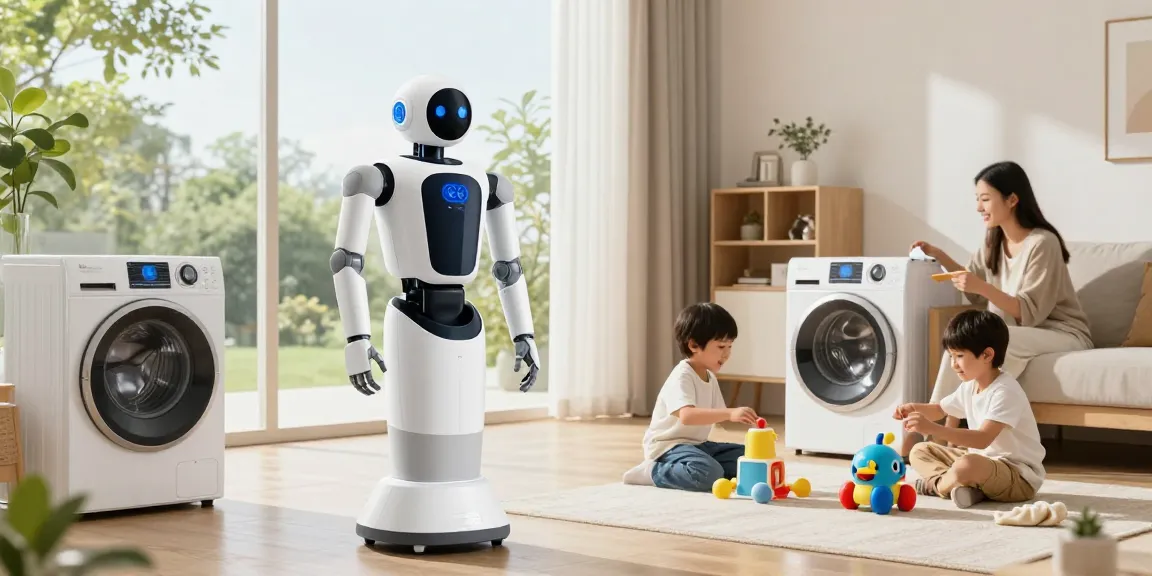
Introduction to Home Robots in 2026
As we step into 2026, the concept of home robots has evolved from mere futuristic dreams into practical realities, transforming how we live and interact with technology. With advancements in artificial intelligence, robotics, and smart home integration, these devices promise to redefine domestic life, making everyday tasks simpler and more efficient. This article explores the features, benefits, challenges, and future of home robots, focusing on what individuals can expect in the coming years. When exploring options, home robot 2026 provides comprehensive insights into the latest innovations.
What is a Home Robot?
A home robot is an automated machine designed to perform tasks within the home environment, ranging from cleaning and cooking to providing companionship. Unlike traditional appliances, these robots often utilize advanced AI algorithms to adapt to their surroundings and learn user preferences. The modern home robot often resembles a humanoid form or functions independently, equipped with various sensors and mobility mechanisms to navigate domestic spaces effectively.
Key Features of 2026 Home Robots
Home robots in 2026 showcase remarkable features that enhance their functionality and user experience:
- Artificial Intelligence: Enhanced AI capabilities allow robots to learn and adapt to household routines, improving efficiency over time.
- Multifunctionality: Many home robots are designed to perform multiple tasks, such as cleaning, cooking, and even elder care.
- Smart Home Integration: These robots seamlessly connect with other smart devices, creating a cohesive home automation ecosystem.
- User-Friendly Interfaces: Touchscreens, voice commands, and mobile app control make it easy for users to interact and customize their robot’s functions.
- Security Features: Advanced sensors and cameras enhance home security by monitoring for intruders and alerting homeowners to unusual activity.
The Importance of Automation in Daily Life
The integration of home robots into daily life signifies a shift towards increased automation. This transformation is essential for several reasons:
- Time-Saving: By automating mundane tasks, individuals can free up time to focus on more important activities, such as family, work, or leisure.
- Improved Quality of Life: Home robots can enhance the overall quality of life by taking on roles that reduce stress and enhance comfort.
- Increased Efficiency: Automation often leads to higher efficiency in household management, ensuring that tasks are completed quickly and effectively.
Popular Home Robots of 2026
As the market for home robots expands, several standout models have emerged that epitomize the technological advancements of 2026. Below, we highlight a few of the most popular options available to consumers.
NEO: The Versatile Home Assistant
NEO represents a significant leap in home robotics, offering a multifaceted assistant capable of performing various tasks from tidying up to scheduling reminders. Its AI-driven software allows it to learn household routines and personalize its interactions. Users can engage with NEO through voice commands and a user-friendly app interface, making it a central part of the smart home ecosystem.
LG’s CLOiD: Redefining Household Chores
LG’s CLOiD is another remarkable innovation, designed specifically to tackle household chores. With the ability to perform tasks such as cooking, laundry, and cleaning, CLOiD is equipped with advanced sensors that ensure efficient operation and safety. The robot can communicate with other smart appliances, optimizing home management and significantly reducing the time required for daily chores.
Comparing Features and Prices: NEO vs. Competitors
When evaluating options like NEO and CLOiD, it’s important for consumers to consider both features and pricing. NEO typically retails around $20,000, reflecting its extensive capabilities and advanced technology, while competitors like CLOiD offer similar features at comparable prices, often varying slightly based on additional features such as specialized cooking capabilities.
How Home Robots Can Improve Your Quality of Life
Investing in a home robot can yield significant improvements in various aspects of daily life. Below are some of the key benefits associated with these innovative devices.
Time-Saving Benefits of Automation
One of the most tangible advantages of home robots is the time saved on household chores. Automation allows users to delegate tasks such as cleaning, laundry, and meal preparation, enabling them to focus on work, hobbies, or family time. With robots like NEO and CLOiD, performing these tasks can be as simple as issuing a voice command.
Enhancing Convenience for Families
Families can benefit significantly from the convenience that home robots provide. For instance, parents can rely on robots to handle cleaning while they attend to children’s needs. Additionally, features like automated reminders and scheduling can help manage busy family lives, ensuring that no important activities are overlooked.
Smart Integration with Home Devices
Home robots seamlessly integrate with smart home systems, allowing for streamlined control of various devices. This connectivity enhances the user experience, making it possible to manage lighting, security, and temperature in conjunction with robotic assistants, creating a cohesive and efficient smart home environment.
Challenges and Considerations with Home Robots
Despite the numerous benefits, potential buyers should consider some challenges associated with home robots.
Cost and Affordability of Home Robots in 2026
The initial cost of home robots can be a barrier for many families. With prices often exceeding $20,000, affordability is a significant consideration. However, as technology advances and production costs decrease, the market may see more budget-friendly options in the near future.
Common Misconceptions about Home Robots
There are several misconceptions surrounding home robots. Many people believe these devices can completely replace human interaction or handle all household tasks without oversight. In reality, while they can significantly assist in daily chores, human supervision and interaction are still essential for ensuring their effective use.
Maintenance and Technical Support Issues
Maintaining a home robot involves regular software updates and occasional repairs, which can pose challenges. Users must be prepared for technical support needs and understand that these machines, like any technology, may occasionally require troubleshooting and repairs.
The Future of Home Robots Beyond 2026
Looking ahead, the future of home robots presents exciting possibilities that could further enrich domestic life.
Emerging Trends in Home Robotics
Emerging trends suggest a shift towards increasingly sophisticated robots that offer enhanced AI capabilities and greater adaptability. Future home robots may integrate more deeply with smart home systems, allowing for advanced predictive functionalities that anticipate user needs based on historical data.
Potential Developments in Smart Home Technology
As technology continues to evolve, we can expect significant advancements in smart home technology that complement home robotics. Innovations such as improved connectivity and user interfaces will lead to more intuitive interactions, making these devices even more accessible and effective for everyday users.
Predictions for the Home Robot Market
The home robot market is likely to expand rapidly, with a growing number of manufacturers entering the field. Increased competition could drive innovation and affordability, resulting in a wider variety of options tailored to different individual needs and budgets.
What Will Family Dynamics Look Like?
As home robots become more prevalent, family dynamics may change significantly. With robots handling household chores, families may spend more quality time together, enhancing relationships and reducing stress related to daily tasks.
Frequently Asked Questions
Are there going to be robots in 2026?
Yes, 2026 is poised to see widespread adoption of advanced home robots that can perform a variety of household tasks autonomously.
How much is Elon Musk’s home robot?
Elon Musk’s anticipated home robot, the Tesla Optimus, is projected to cost between $20,000 and $30,000 once it is available to consumers.
What is the best robot in 2026?
The best robot will likely be determined by individual needs, but models like NEO and LG’s CLOiD are leading contenders based on current capabilities and consumer feedback.
What is the future of home robots?
Future home robots are expected to be even more integrated into the smart home ecosystem, offering enhanced functionalities and improved interaction capabilities with their human counterparts.
How do home robots interact with humans?
Home robots utilize voice recognition, mobile apps, and sometimes even touch interfaces to interact with humans, allowing for a range of commands and personalization options.